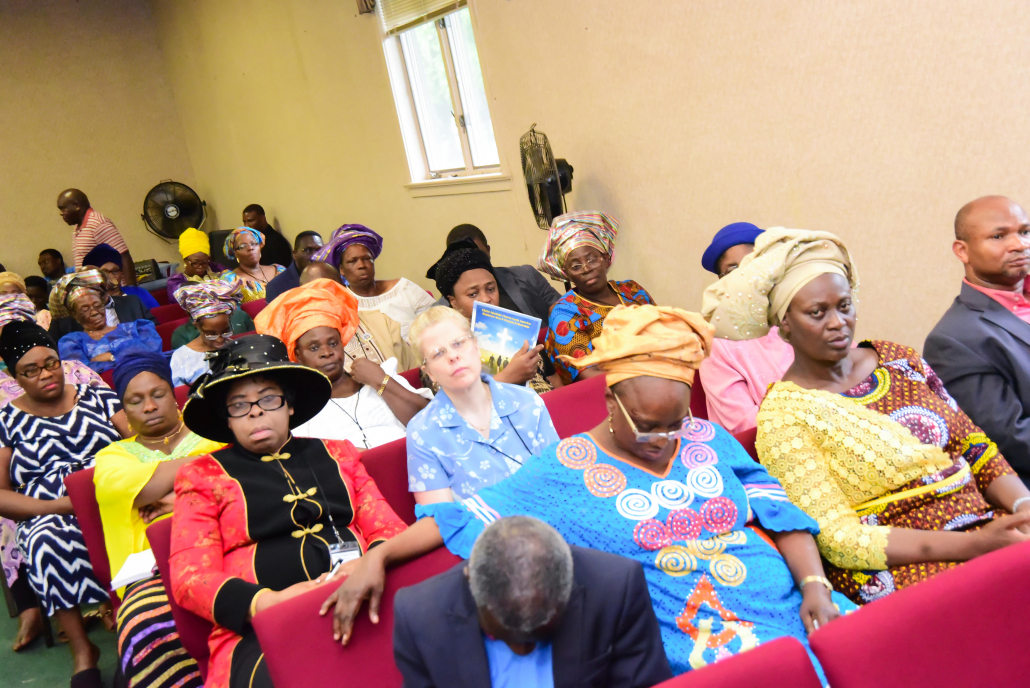
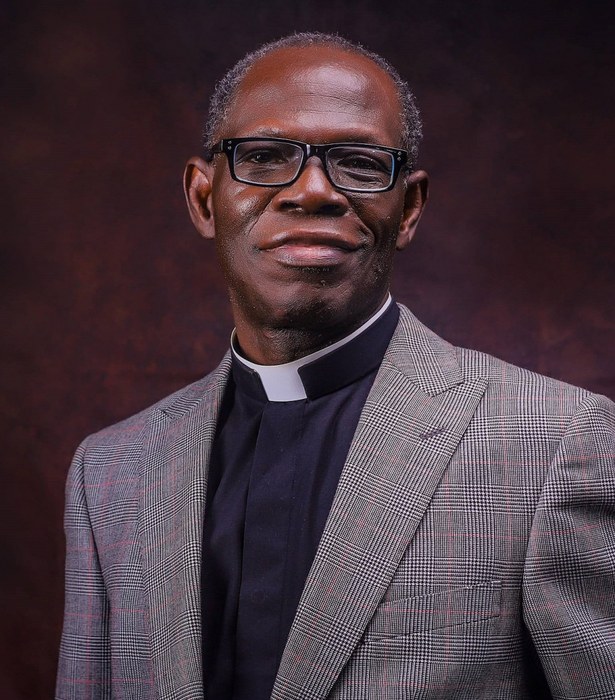
Ministers' Session 1 — "Transformative Power of the Word" — opened this year's convention with Pastor T.A.O. Agbeja teaching from Hebrews 4:12: "the word of God is quick, and powerful, and sharper than any two-edged sword... a discerner of the thoughts and intents of the heart." God's Word, he said, is the only thing able to transform a person on all three levels — spirit, soul, and body. When it takes root in the spirit, it reshapes the way we think (Romans 12:2), and it even reaches the physical body: Proverbs calls it "health... to all their flesh," from a Greek word that also means medicine.
"Now that you have purified yourselves by obeying the truth so that you have sincere love for each other, love one another deeply, from the heart" (1 Peter 1:22-25, NIV). From this text, the message turned to a question every believer eventually has to sit with: what does it actually mean to obey the truth?
The "truth" the passage has in mind isn't an abstract idea — it's the gospel itself, "the message of truth" that Paul calls "the gospel of your salvation" in Ephesians 1:13, the good news that has been "bearing fruit and growing" everywhere it's preached, per Colossians 1:3-6. Purifying ourselves by obeying that truth, though, isn't our own work — it's God's, worked in us as we receive the gospel. As theologian John Piper has put it, faith alone justifies, but the faith that justifies is never alone; it's always accompanied by a new direction of thought, affection, and behavior. Obedience is the fruit that shows the faith is real.
The message named a persistent failure in the Body of Christ: not loving one another well, especially through hard seasons. Political elections, disagreements over the pandemic, and cultural flashpoints have split churches and ended long friendships between believers over things that should never threaten the love that binds the family of God together. "Sincere love" — literally, in the Greek, love without the mask an actor wears on stage — and love "deeply, from the heart" are not things we can manufacture in our own strength. They're something God produces in us as we live out our new life in Christ.
To illustrate how completely God can remake a life, six stories from Scripture were held up as six transformative stories in the Bible:
Saul (Acts 9) — a zealous persecutor of Christians, blinded by a light from heaven and transformed by an encounter with Jesus into one of the most influential apostles the church has ever had.
Nicodemus (John 3:1-21) — a Pharisee and member of the ruling council who came to Jesus by night with real questions, and whose honest search for truth eventually led him to put his faith in Christ.
David (2 Samuel 12) — a man after God's own heart who nonetheless fell into adultery with Bathsheba, and whose psalms of repentance still teach us that even the most faithful are capable of sin, and that God's forgiveness restores.
Peter (Luke 22:54-62) — who denied Jesus three times before the rooster crowed, yet was restored and transformed into one of the most charismatic, influential leaders of the early church.
Moses (Exodus 2:11-15) — a murderer and fugitive who became one of the most significant leaders in all of history, proof that no matter how far someone has fallen, it's never too late to turn back to God.
Zacchaeus (Luke 19:1-10) — a despised tax collector whose encounter with Jesus, and repentance that followed it, shows that Christ will save anyone, no matter how far they've strayed.
A Word this transforming, Pastor Agbeja said, must also be shared — preached "in season and out of season" (2 Timothy 4:1-4), taught so believers are "thoroughly equipped for every good work" (2 Timothy 3:16-17), studied as a workman rightly dividing the word of truth (2 Timothy 2:15), and obeyed, resting in the promise that His yoke is easy and His burden is light (Matthew 11:28-30).
The message closed with an invitation: for anyone who has never obeyed the truth of the gospel, this is the moment. "Sincere love for each other" and "love one another deeply from the heart" aren't things we can produce on our own — they flow out of a life that has already been transformed by the gospel these six stories point to.