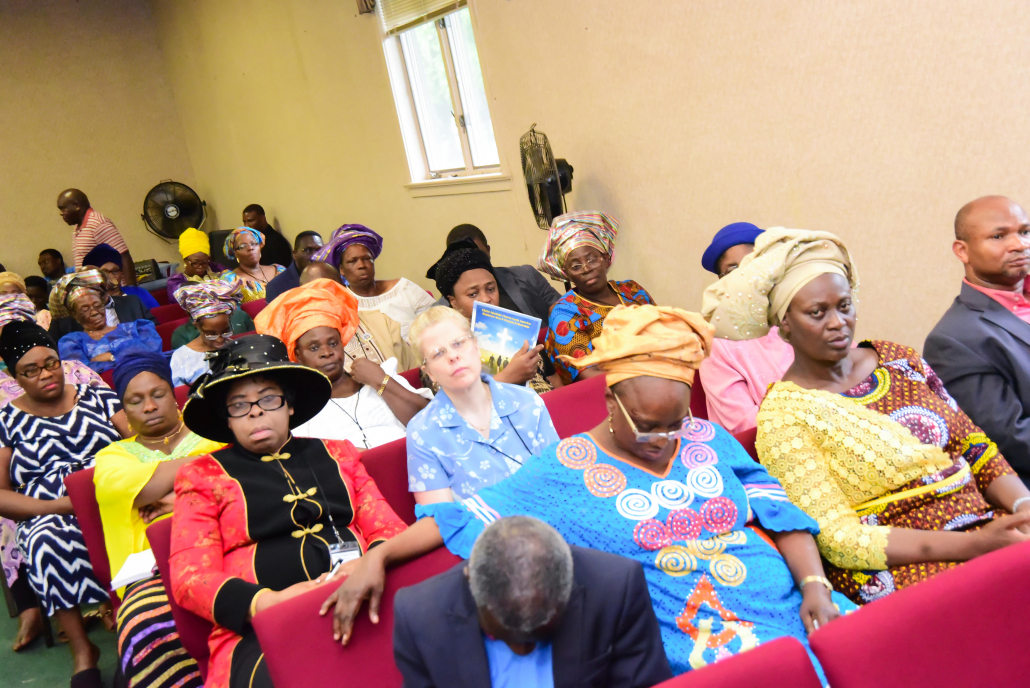
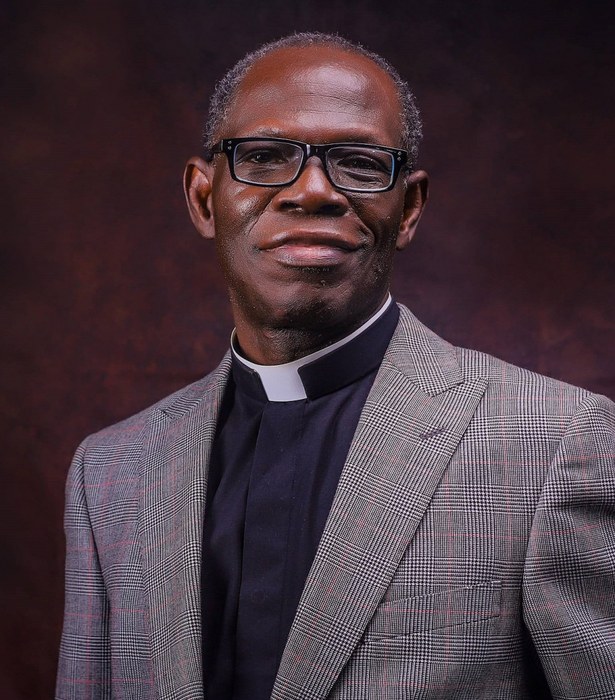
Rt. Rev. Prof. Dapo F. Asaju, Bishop of Ilesa Anglican Diocese, delivered Ministers' Session 3 — "The Bible as an Encourager in Times of Trials, Tribulations and Challenges" — a lecture grounded in a simple conviction: "The Holy Bible is divinely-inspired (2 Timothy 3:16). Its contents are infallible and timeless. The written word is an expression of Jesus Christ the Word personified."
Bishop Asaju traced the Bible's uniqueness through several marks: its own claim to be holy and to be God's Word; its fulfilled and still-unfolding prophecies; the answers it holds to life's deepest questions — who God is, the origin of creation and sin, spiritual warfare, life after death, and eternity; and its place as the ground of theology, "the queen of all sciences," from which laws, governments, and constitutions the world over ultimately draw. It is, he said, the manual for holy living — for ethics, parenting, education, civic responsibility, marriage, and family.
He was direct about suffering: challenges are not strange to the Christian life, but part of it. Because man is a tripartite being — body, spirit, and soul — Scripture ministers to every part of our need and affairs, and its prophecies about wars, pestilence, famine, and persecution in the end times prepare believers to endure rather than be surprised. "Ever since the rebellion of Lucifer and the fall of Adam," he said, "the world has experienced battle between the Kingdom of God and that of the devil" — a battle for souls that Jesus promised His church would ultimately win, since "the gates of hell shall not prevail against it."
He walked through a long roll call of biblical figures who faced real hardship and were not exempt from it because of their faithfulness: Adam misled into disobedience, Noah who stumbled even after being spared the flood, Abraham barren well into old age, Joseph sold into slavery by his own brothers, Moses who led Israel toward the promised land yet was barred from entering it himself, Daniel thrown into a den of lions, Shadrach, Meshach, and Abednego cast into a fiery furnace for refusing to worship an idol, John the Baptist beheaded for his convictions, and Jesus Himself a refugee as a child. "Bible heroes were not perfect individuals," he said. "They trusted God and found grace to overcome their various challenges." Yet Scripture is also God's own instrument of encouragement — giving hope grounded in God's promises even in hopeless situations (Romans 15:4, Jeremiah 29:11, Psalm 42:11), and reminding believers that God never abandons His people (Isaiah 41:10, Joshua 1:9, Matthew 28:20).
David, Elijah, Paul, and Jesus Himself were held up as examples of believers who found courage in God's Word through real difficulty — David in the Psalms amid fear and opposition, Elijah renewed by God's presence after Mount Carmel's high left him discouraged (1 Kings 19), Paul remaining joyful despite imprisonment and suffering (Philippians 4:11-13, 2 Corinthians 4:8-18), and Jesus Himself relying on God's Word to endure temptation (Matthew 4:1-11).
"The Bible encourages believers today," Bishop Asaju said, "through God's promises, through prayer inspired by Scripture, through assurance of salvation (John 10:27-29), through wisdom for decision-making (Psalm 119:105), and through comfort in grief." His counsel for drawing on that encouragement was practical: read the Bible daily, meditating on it day and night per Joshua 1:8; memorize encouraging verses; pray regularly using biblical passages; and participate in Bible study and Christian fellowship, where the testimonies of others strengthen our own trust in God.
"The Bible is more than a historical or religious book," he closed. "It is God's living and active Word, offering hope, courage, wisdom, and comfort in every season of life... Challenges are temporary, but God's promises are unchanging."